
Currently, researchers who aim to unravel the intricate molecular processes of aging and cognitive health find it an essential tool. The peptide’s intriguing potential for future studies on cellular longevity stems from its dual role in providing metabolic support and defending against oxidative damage. Moreover, the role of the KLOW peptide in enhancing cellular defense mechanisms is under investigation by researchers, especially regarding its effects on oxidative stress.
KPV adds an anti-inflammatory layer on top of that, making the combination appealing for people dealing with a sensitive gut lining or ongoing digestive discomfort. Because GHK-Cu naturally decreases details to review before buying MOTS-c as the body ages (supplementing it through KLOW is commonly tied to smoother texture), improved elasticity, and a reduction in the appearance of fine lines. For people recovering from a workout injury (a strain), or general wear on joints and tendons, KLOW is often used because BPC-157 and TB-500 both play a role in accelerating the repair timeline. GHK-Cu supports the body’s collagen-building machinery — which is directly tied to skin firmness and wound closure.
Key factors influencing data quality in all peptide research scenarios include solution stability, the temperature at which it is stored, and the accuracy of concentration measurements. By leveraging KPV’s activity at epithelial receptors, the KLOW formulation emerges as a research instrument that can probe both luminal and neural signaling aspects within the same experimental setup. This thematic focus ties into extensive research on gastrointestinal peptides, including investigations into the gastrointestinal mechanisms of BPC-157 in comparable model systems. The question of how receptor biology interacts with bioenergetics in real model systems is precisely the type of inquiry that multi-component formulations like KLOW can effectively facilitate for researchers. Furthermore, the inclusion of L-carnitine raises a compelling research question regarding whether the availability of mitochondrial substrates influences the energy-dependent phases of receptor-mediated signaling within the same cellular environment. Researchers have posed the question in preclinical cell-based models about whether the activation of melanocortin receptors , via KPV, and signaling through oxytocin receptors (via OXTR) converge or diverge in their downstream effector pathways.
Angiogenesis Signaling in Preclinical Models: BPC-157
The linked studies below therefore keep the test material and the model attached. Their results can explain a scientific rationale for investigation. Not sure which size or setup fits your protocol? Non-prescription gear that pairs with this guide. Those listings are not for human consumption.
Where individual component data is strong, it supports the mechanistic rationale for including that component. Always consult a qualified healthcare professional before starting (stopping), or modifying any peptide protocol. Side effects and contraindications listed here are drawn from published studies (documented case reports), and user protocol data. The most commonly reported effects are injection site reactions, transient fatigue, and occasional flushing.
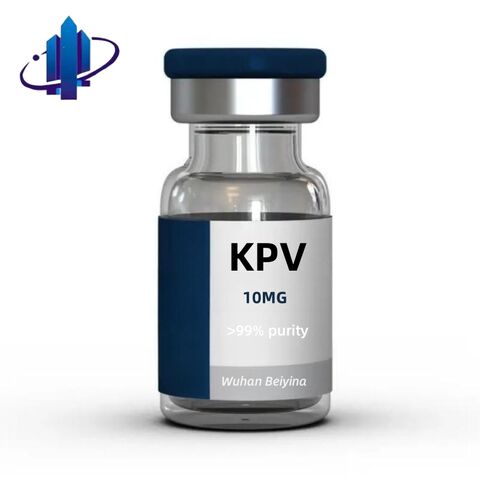
What is the required concentration for the protocol? Is the research inquiry related to inflammatory pathways? Ultimately — the decision hinges on three key questions. A design focused on collagen (matrix remodeling), or skin biology is effectively supported by Glow, where GHK-Cu undertakes most of the pertinent work while KPV remains inert regarding the inquiry.
While some users may observe minor improvements in sleep quality (energy levels), or mood, significant changes are uncommon at this early stage. Visible outcomes are limited during the introduction phase.
What Does the Research Truly Indicate?
Others experience nothing despite perfect protocols. Some athletes report complete pain resolution within 2-3 weeks. “My shoulder pain has decreased significantly, and my knee feels rejuvenated.” This isn’t uncommon. Laboratory research is essential, but what happens when real people use KLOW? For anyone dealing with inflammatory conditions, this mechanism matters. KPV • Anti-inflammatory • Gut protection • IBD support • Respiratory health • Skin conditions • Immune modulation NFκB pathway inhibition Animal studies, limited human data
Timeline: Anticipated Outcomes

By sequestering free G-actin monomers, TB-500 controls the equilibrium between filamentous and monomeric actin, keeping a ready pool of structural building material available for rapid reorganization of the cell’s internal skeleton. None of the four mechanisms is redundant with the others, which is the core rationale for the blend architecture. This guide covers what each component does (how they work together), what the evidence shows for each, dosing context, safety considerations, and KLOW’s current regulatory status. A four-component mixture requires controls for each component — and no indexed literature characterises how these four behave in combination. Once reconstituted, refrigerated storage between 2°C and 8°C is standard practice and the solution is treated as short-lived. Lyophilised material is held frozen at approximately -20°C, sealed and protected from light, because hydrolysis and oxidation both accelerate with heat, moisture and light.
Your personal data will be used to support your experience throughout this website (to manage access to your account), and for other purposes described in our privacy policy. The products mentioned are intended for laboratory and research use only and are not for human consumption. For investigators exploring the full range of research-grade peptide formulations, the complete SourcePeptides catalog provides access to the broadest selection of laboratory reference materials. Researchers interested in KPV’s parent peptide context may also find the oxytocin research material useful as a standalone comparator for isolating OXTR-specific contributions to observed multi-component effects. For investigators studying the full KLOW-GLOW landscape, the GLOW nasal spray formulation provides a useful mechanistic counterpoint for experimental comparison. Researchers building a comprehensive peptide research library will find KLOW most productively positioned alongside comparative materials.